
Products · Hybrid Inverter & PCS
Hybrid Inverter & PCS
Bi-directional power conversion for solar-plus-storage, C&I energy management, and off-grid systems. The StorXing hybrid inverter and PCS family connects battery storage to loads, solar arrays, and the grid with integrated energy management.
For Solar EPCs, System Integrators & Microgrid Developers
Ideal Applications. Hybrid inverters and PCS are used in solar-plus-storage projects, commercial energy-management systems, off-grid sites, and microgrids. They fit anywhere DC battery power must be converted to AC and coordinated with solar, grid, or generator sources.
Typical System Architecture. The unit combines power conversion, MPPT solar inputs, grid-forming or grid-following control, and battery charge/discharge management. An external EMS or controller sets the operating mode, while the inverter enforces voltage, frequency, and current limits.
Integration Scenario. In AC-coupled systems the inverter connects to the site AC board alongside solar inverters. In DC-coupled systems the battery and PV share the DC bus. Generator input, grid export limiting, and backup-load output are configured according to site requirements.
Customization Options. Reference power ratings, voltage windows, phase configuration, number of MPPTs, and communication protocols can be selected. Firmware features such as virtual power plant (VPP) dispatch, frequency-watt response, and generator start logic are project dependent.
Partner Support. We provide datasheets, integration guides, commissioning procedures, and technical training. For multi-site or fleet deployments we support firmware management and remote diagnostics planning.
Evaluation & Next Steps. To select a hybrid inverter or PCS, provide the PV array size, battery voltage, required backup power, and grid code. We will match the power rating, phase configuration, and control features to your project specification.
One Platform, Multiple Applications
The hybrid inverter and PCS family handles DC-to-AC and AC-to-DC conversion for home, commercial, and remote applications. It supports self-consumption, peak shaving, backup power, and grid-forming operation when paired with the right battery and control configuration.
Applications
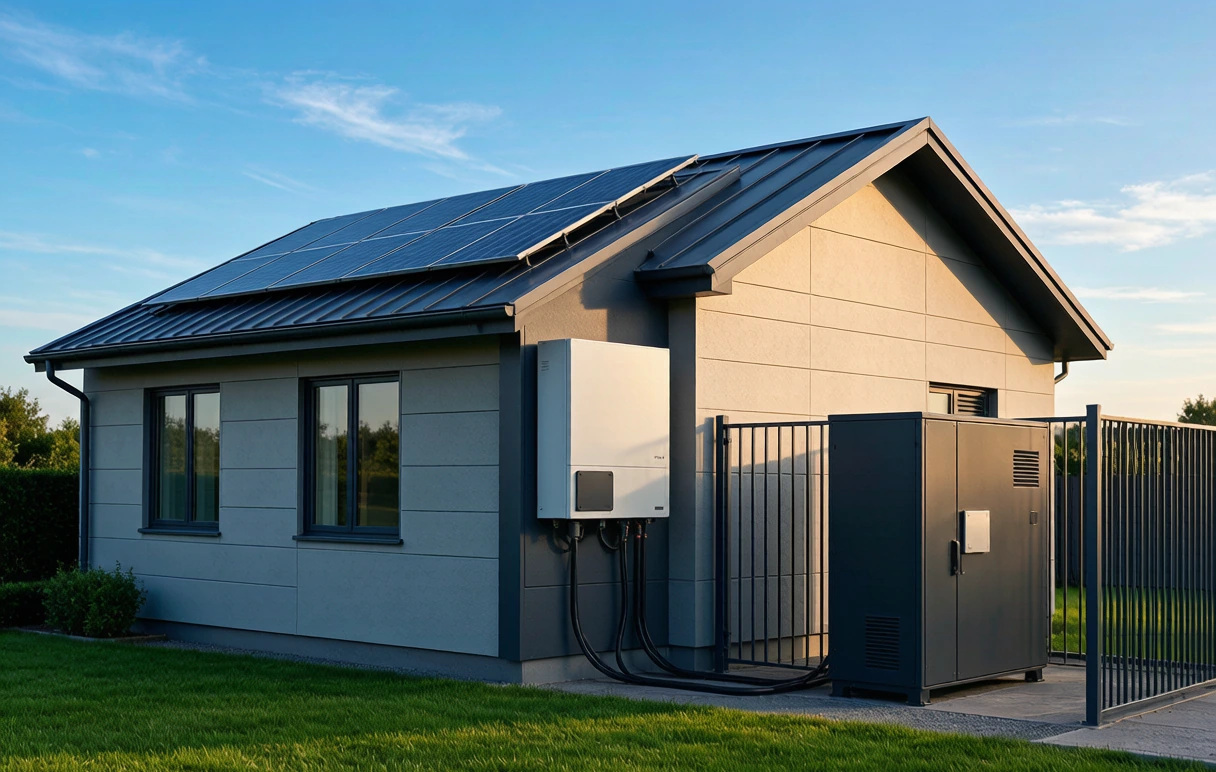
Home Solar + Storage
Maximize solar self-consumption and keep essential loads powered during outages.
Explore the solution →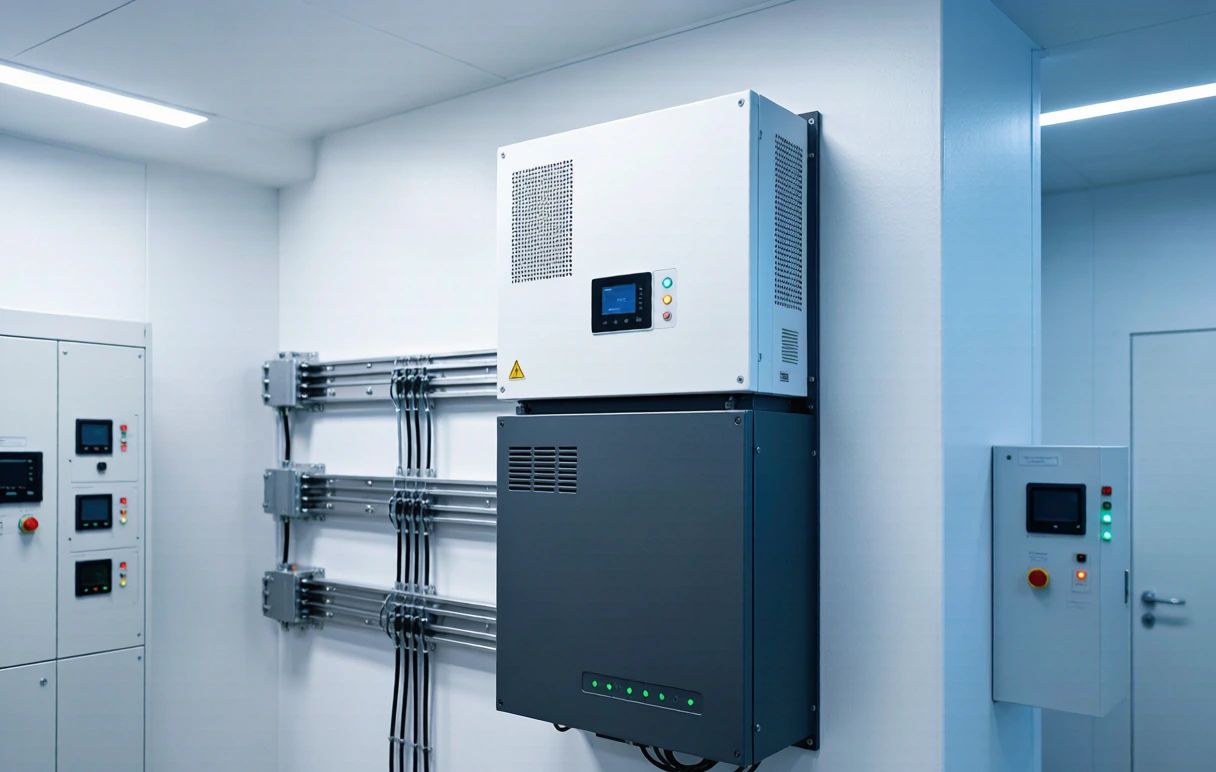
C&I Energy Management
Integrate storage with commercial loads, solar, and grid tariffs for lower energy costs.
Explore the solution →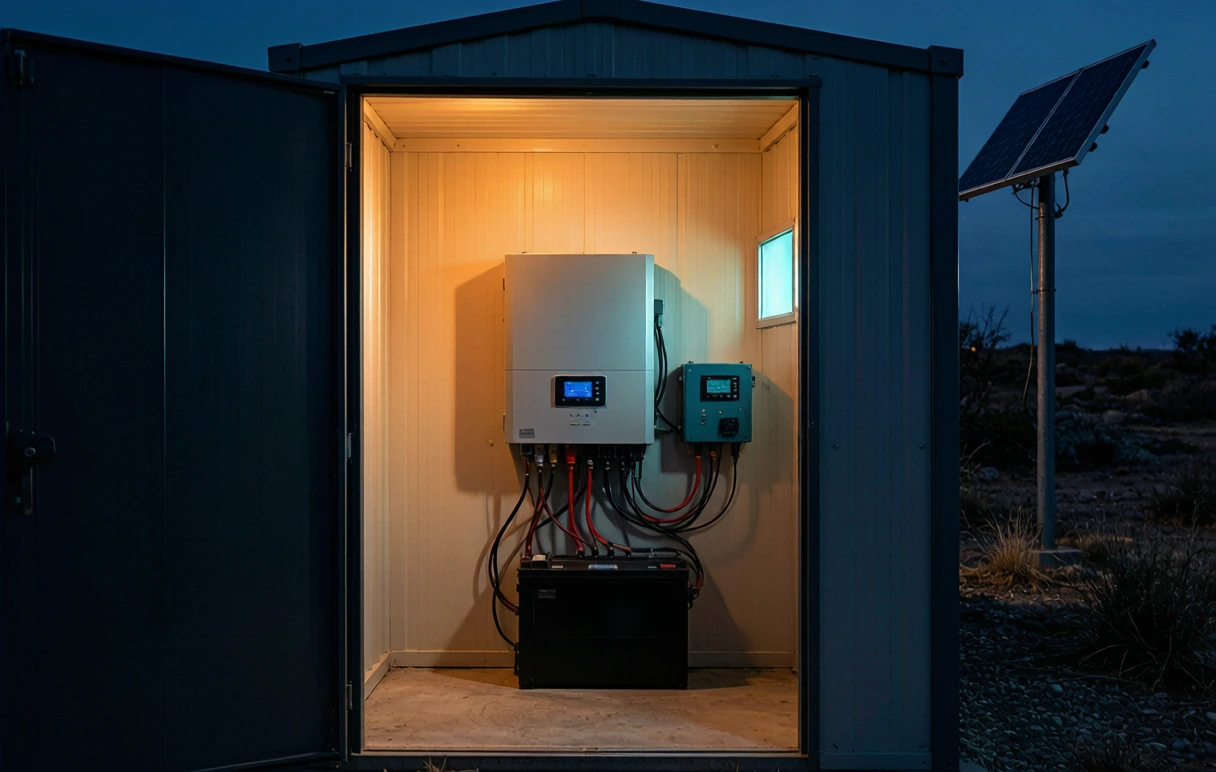
Off-Grid & Backup
Grid-forming capability for remote sites, microgrids, and critical backup systems.
Explore the solution →Concept visualization — representative application.
Product Comparison
| Attribute | Typical Range | Notes |
|---|---|---|
| Topology | Hybrid inverter / PCS | Bi-directional AC-DC power conversion |
| Applications | Residential / C&I / off-grid | Configuration matched to battery and load |
| Modes | Grid-tied, backup, grid-forming | Mode availability depends on system design |
Figures are product-line definitions, not performance guarantees. Detailed datasheets are provided on request.
Not sure which system fits your project?
Talk to an engineer
Reference Specifications
The table below sets out the reference configuration for each power-conversion option. Power rating is selected against the load profile, solar array and battery bank for each project.
| Model | Power rating | Nominal voltage | Battery chemistry | Configuration | Installation | Communication |
|---|---|---|---|---|---|---|
| Residential Hybrid Inverter | Selected per load profile | Low-voltage battery side | Not applicable (power conversion) | Hybrid inverter, solar plus storage | Wall-mount, indoor or sheltered | RS485 / CAN / Wi-Fi |
| Commercial PCS | Selected per load profile | Project-specific | Not applicable (power conversion) | Bi-directional PCS for C&I systems | Cabinet or container integrated | Ethernet / Modbus TCP |
Application: Home solar plus storage, C&I energy management, off-grid and backup
Verification-pending fields
| Parameter | Reference value |
|---|---|
| Certification | — |
| Warranty | — |
| Cycle life | — |
| IP rating | — |
| Round-trip efficiency | — |
| Operating temperature | — |
Values above describe the reference configuration of the product line and are not performance guarantees. Available options vary by project. Parameters shown as — are not published until they have been verified for a specific configuration; request the current documentation for the model you are evaluating.
Technical Advantages
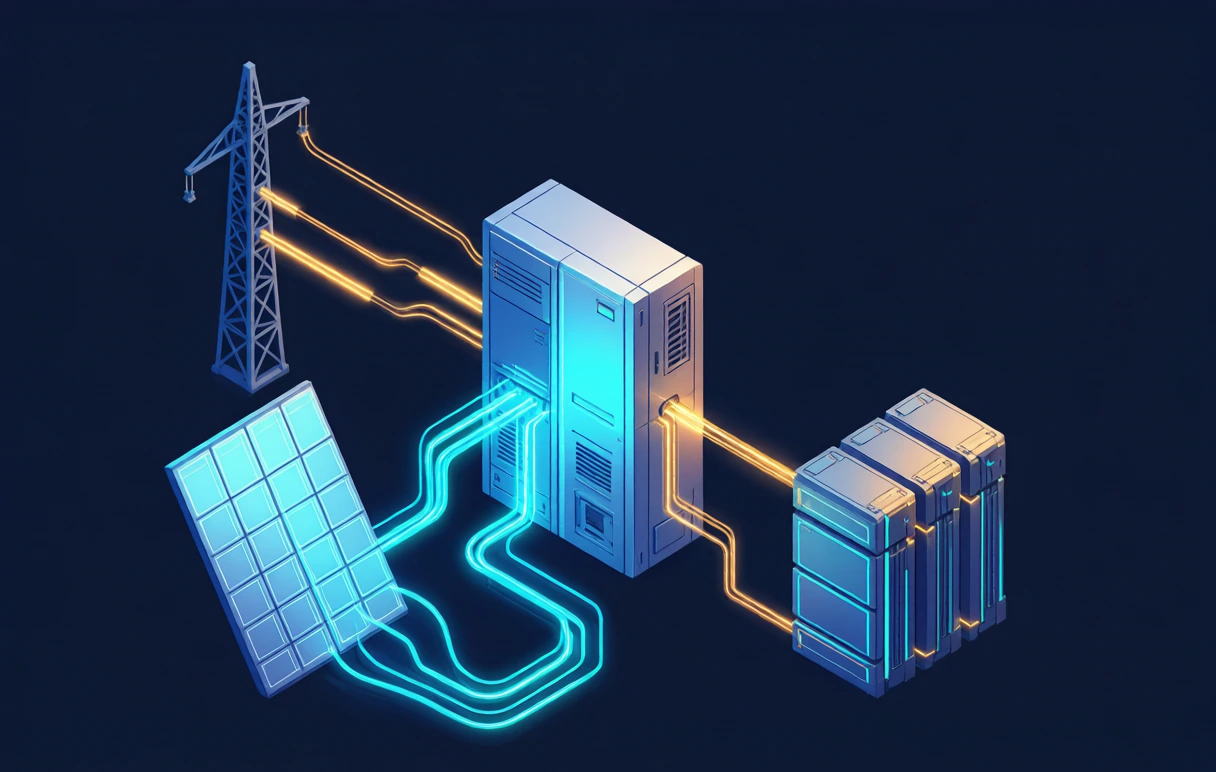
Efficient Power Conversion
Bi-directional conversion between solar, battery, grid, and load with one integrated platform.
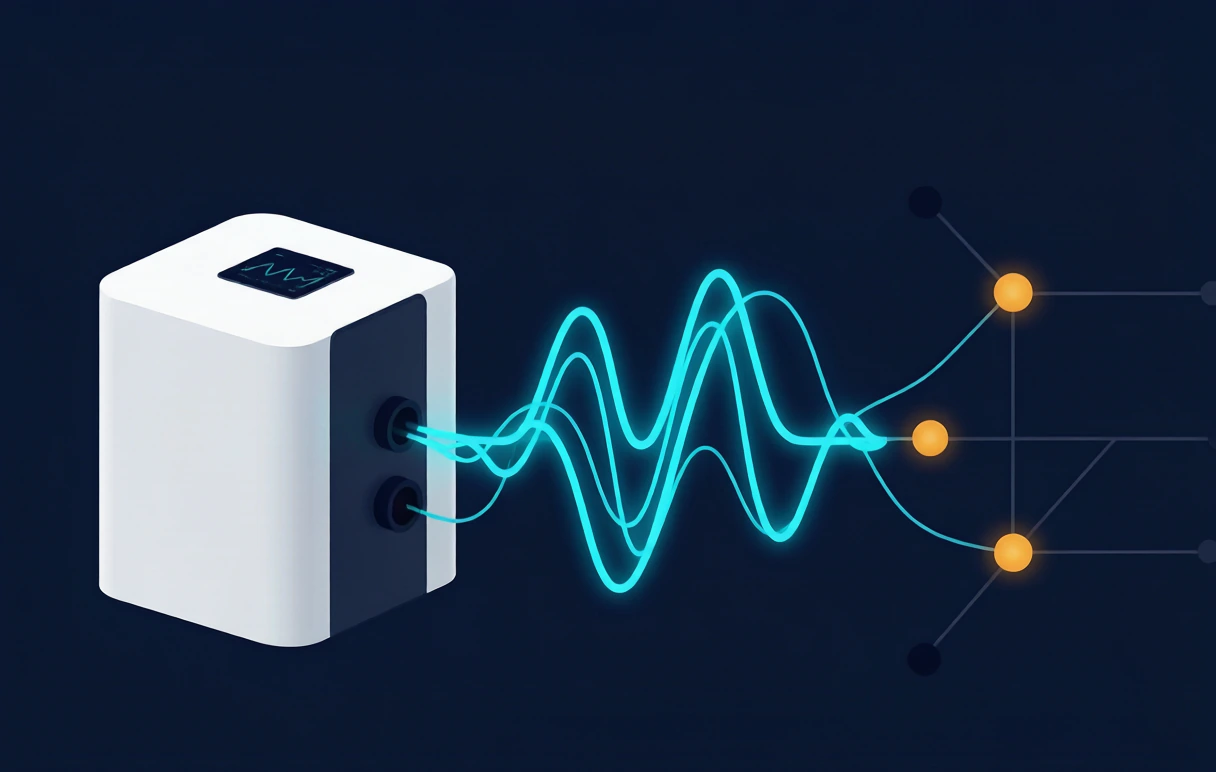
Grid-Forming Capability
Supports off-grid and microgrid operation with stable voltage and frequency reference.
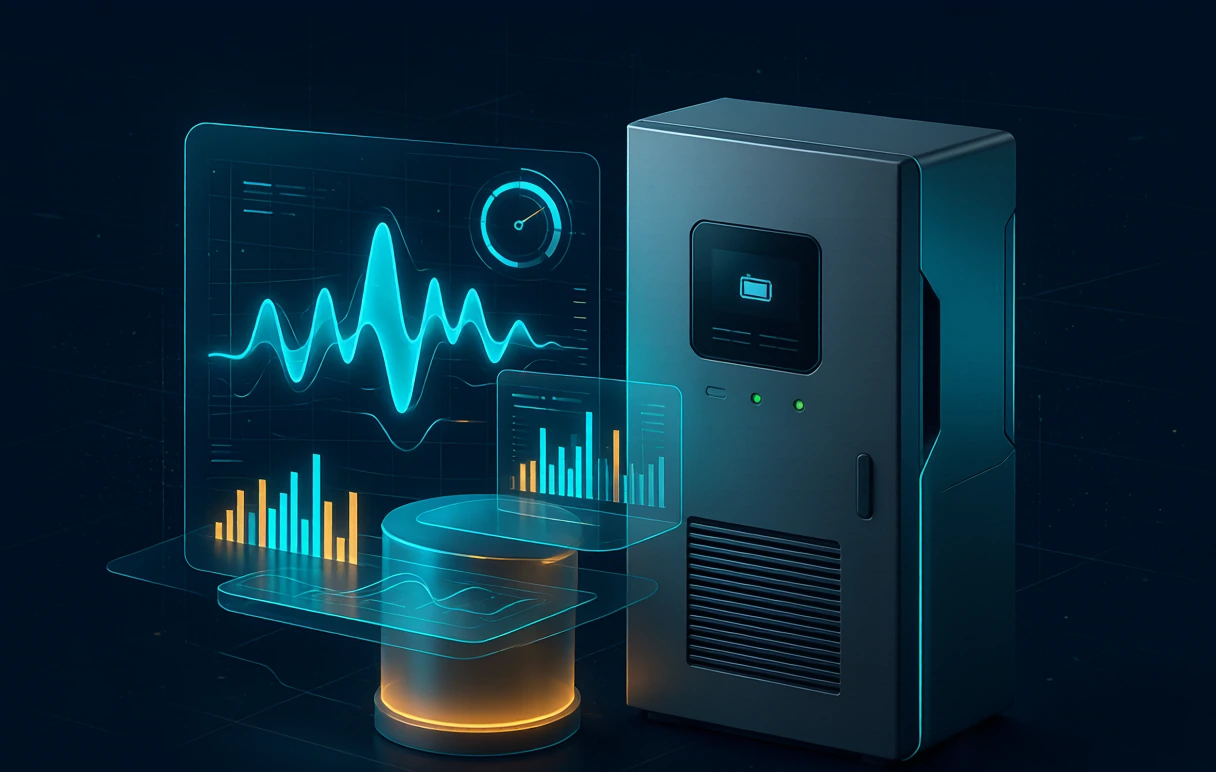
Integrated EMS
Energy management logic coordinates charging, discharging, and backup modes.
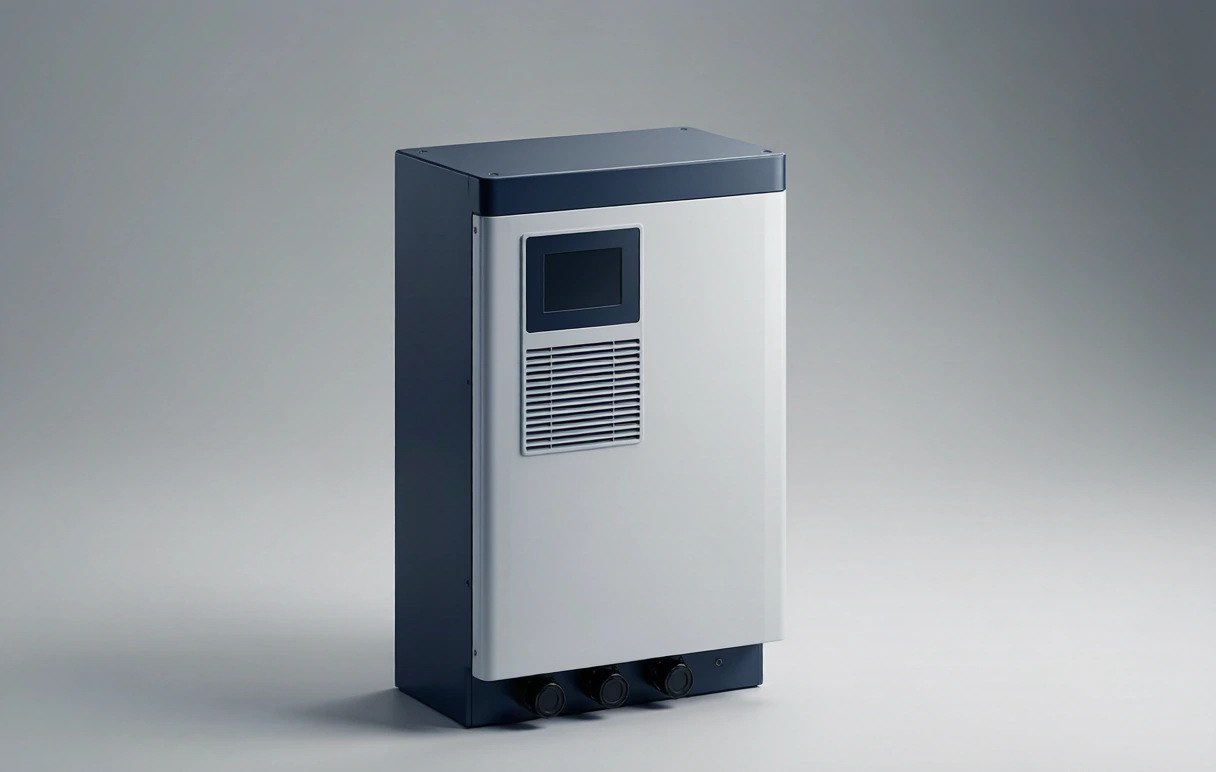
Scalable Power Range
Available in sizes matched to residential, commercial, and remote microgrid needs.
Downloads
Datasheets and installation manuals for this range are provided on request while our document center is being finalized.
Request a DatasheetFrequently Asked Questions
What is the difference between the hybrid inverter and PCS?
The hybrid inverter targets solar-plus-storage applications, while the PCS (power conversion system) covers larger bi-directional storage projects. Both convert power between DC battery storage and AC loads or grid.
Can the system operate off-grid?
Yes. With the right battery and control configuration, selected units support grid-forming and off-grid operation.
What battery types are compatible?
StorXing inverters and PCS units are designed to work with StorXing LFP battery modules and systems. Third-party compatibility is evaluated case by case.
How do I size an inverter or PCS?
Request a quote with your peak load, solar array size, backup duration, and grid connection type. Our team will size the right unit.
Where This Family Fits
Related Solutions
Related Industries
Proven in the Field
Explore how StorXing hybrid inverters and PCS units power residential, commercial, and remote energy systems.
Related Projects
Size the Right Inverter or PCS
Share your load profile, solar size, and backup needs — we will recommend the right hybrid inverter or PCS.
Request a Quote